The Best Possible Learning Experience for Students
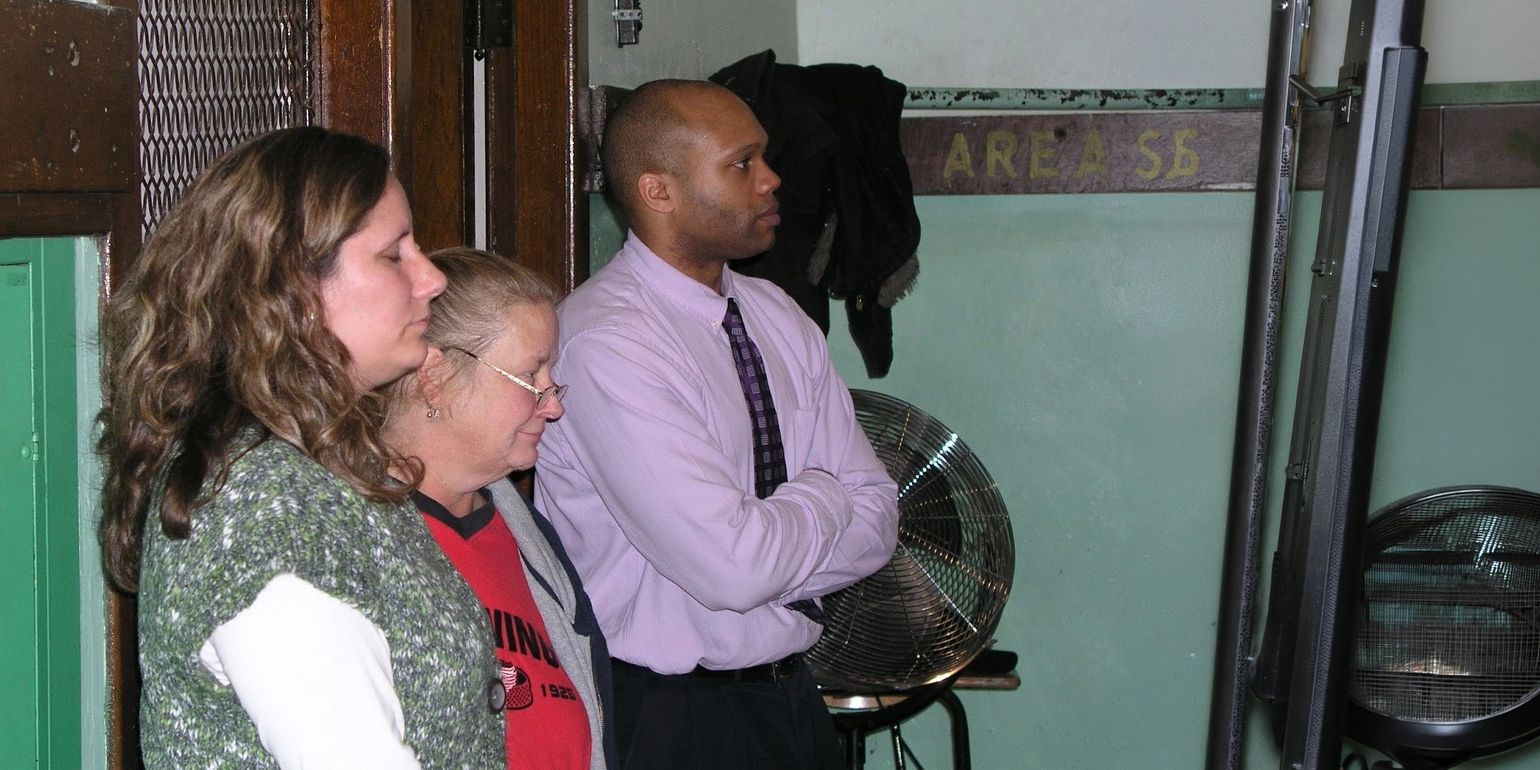
Theodore working as a community organizer leading an action for more neighborhood safety at O.W. Holmes Elementary School.
Partnering with Community to Make School Neighborhoods Safer and Break the School-to-Prison Pipeline
As a former school social worker, I learned quickly: if students’ basic needs aren’t met, even the best education can only go so far. When we support the whole child, both inside and outside the classroom, our kids can truly focus on learning and succeed.
Building on my experience as a community organizer in Detroit Public Schools, I will be laser focused on making the neighborhoods around our schools safer. And the answer isn’t more policing. It’s partnership. I will work with community-based groups, like the Community Violence Initiative, to advance proven, community-led strategies that protect our kids and keep school streets safe.
We must also break the cycle that pushes too many young people from classrooms into the criminal justice system. That means addressing neighborhood safety, reducing chronic absenteeism, and limiting unnecessary exposure to law enforcement.
Every student has God-given talent. Our role is to be advocates and mentors, not barriers to their future. I will lead on strengthening restorative practices that address the root causes of behavior and toward solutions grounded in love, accountability, understanding, and community problem-solving.
Improved Learning Experiences
I will build strong partnerships with foundations and nonprofits to expand wraparound services and tutoring so our students can thrive. That means investing in after-school programming and in-school tutoring, with a clear focus on literacy and ensuring every child can read at grade level. I will also fight to expand access to health and nutrition wrap-around services. When we meet the needs of students and families, we put them in a position to show up, stay engaged, and succeed. That’s how we begin to tackle chronic absenteeism.
I also know how important our school buildings are in ensuring that students have the best possible learning environment. While earning my Doctorate in Education, I focused my dissertation on how school buildings shape students’ learning experiences. What I found was clear: students in well-maintained schools are better able to concentrate, engage, and simply enjoy being kids. But students in buildings that need serious maintance face a different reality. They are not just thinking about their schoolwork or friendships, they must also navigate broken lockers, bathrooms in disrepair, and classrooms that are too hot or too cold.
As adults, we know our kids deserve better. I’m not running just to have a seat on the Board of Education, I’m running to lead statewide change as well. I will push our Legislature to provide a dedicated funding source for school building maintenance and repair. Drawing on my experience as a community organizer, I will work to build a coalition of school district leaders and state policymakers to finally secure the resources needed to make every school building a place where our students can learn and thrive.
Creating Community Solutions to Problems Impacting Student Achievement
Parents should have a direct say in how District dollars are spent on their children’s education. To do so, I will lead on bringing Parent Participatory Budgeting and forming a Parent Budget Advisory Board to DPSCD. The Parent Participatory Budget process will be annual community engagement meetings where all parents and community members can have a real say in defining funding priorities at the beginning of the budget process each school year. The Parent Budget Advisory Board will be an special committee that directly advises the School Board. It will be made up of engaged parents who will review proposed budgets and offer feedback on where they can be improved and fully reflective of community priorities before budgets are finalized. These approaches not only increasee transparency around our District’s financial realities, it also creates real community-driven solutions to address them. When families and community members help decide what gets funded, and at what levels, we ensure our schools reflect both high standards and parent priorities.
At the same time, we must address the real harm caused by aggressive immigration enforcement and longstanding gaps in language access. Too many of our students and families are navigating fear, uncertainty, and barriers to full participation in their child’s education. DPSCD must do more.
Through my work leading Global Detroit’s Opportunity Neighborhoods programming, I have seen what works. For families impacted by immigration enforcement, I will push the District to expand flexible learning options when needed and to build stronger partnerships with community organizations. Our most impacted schools should serve as full-service support hubs that connect families to legal aid, help locate detained relatives, provide food support, and offer counseling for students and families.
We must also ensure our schools are safe and prepared. That means clear protocols for handling ICE encounters, active coordination with trusted community partners, and strong safeguards to protect students from unnecessary exposure to enforcement actions.
Language access is another critical piece. I will lead a comprehensive review of how the District determines which materials are translated and expand partnerships to ensure families can access information in the languages spoken at home. Families cannot fully engage if they cannot fully understand.
Finally, DPSCD serves the largest population of special education students in Michigan. As a former school social worker, I know we must do better. I will lead efforts to strengthen our systems and supports, starting with regular, accessible orientations so families understand IEPs, 504 plans, other special education plans, and their rights. And I will also lead statewide to advocate for increased special education funding to ensure every student receives the support they deserve.